Dreame Shifts Strategy: Nebula NEXT 01X to be Produced Overseas for Australian Market
Recent reports indicate that Dreame Technology is facing significant hurdles in its domestic automotive ambitions. The company has confirmed to overseas media that due to strict Chinese new energy vehicle (NEV) production capacity regulations and market saturation, it is struggling to secure mass production capabilities within China. To ensure its planned entry into the Australian market by 2027, Dreame has officially begun evaluating and negotiating overseas production channels.
James Moore, head of the Dreame Australia-New Zealand project, stated, “There are clear restrictions on EV production scale domestically, and existing capacity leaves no room for a new brand to ramp up quickly. The traditional path of local manufacturing is too time-consuming to meet our Australian launch schedule. Consequently, moving away from domestic manufacturing and seeking overseas contract manufacturing has become a pragmatic necessity for Dreame.”
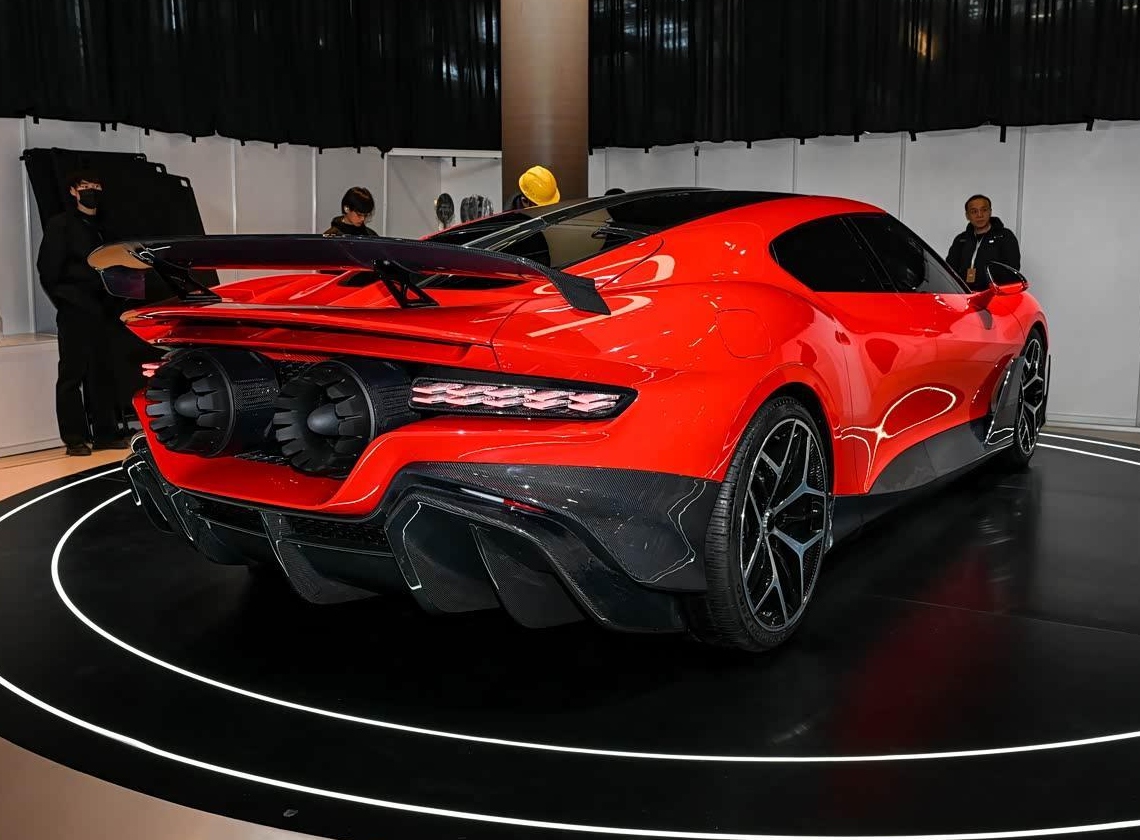
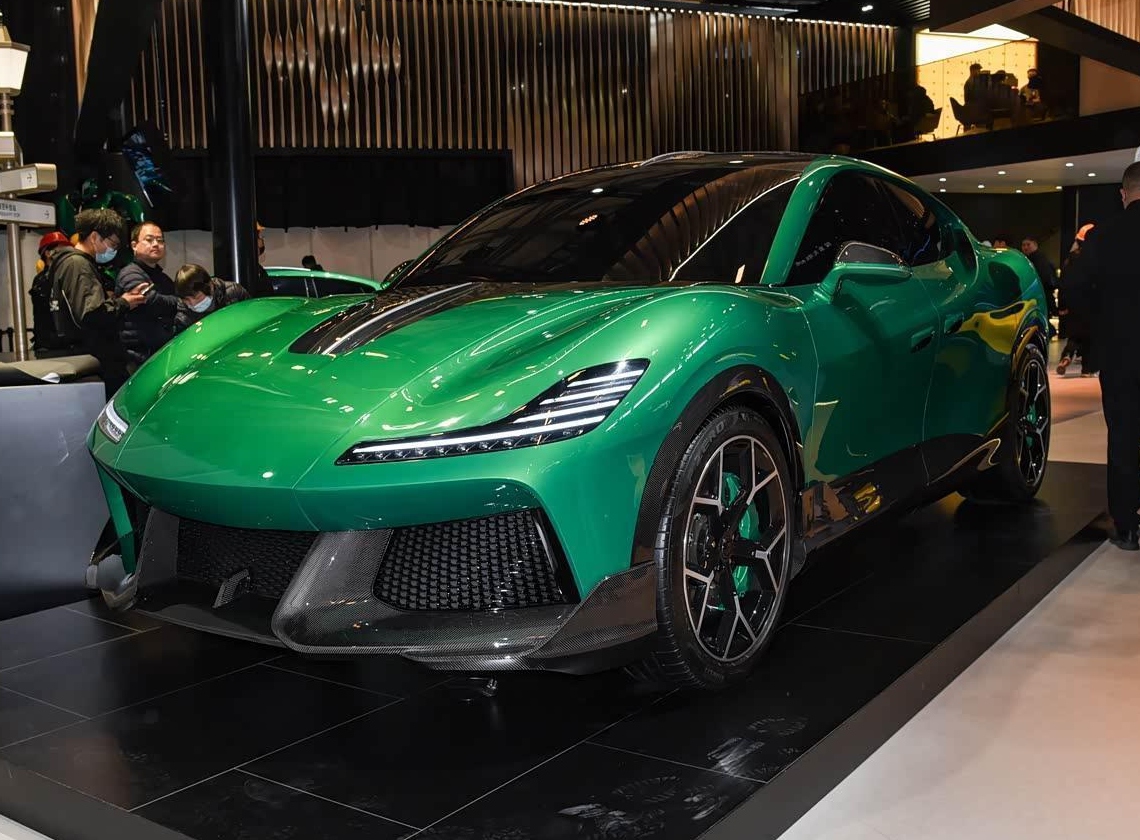
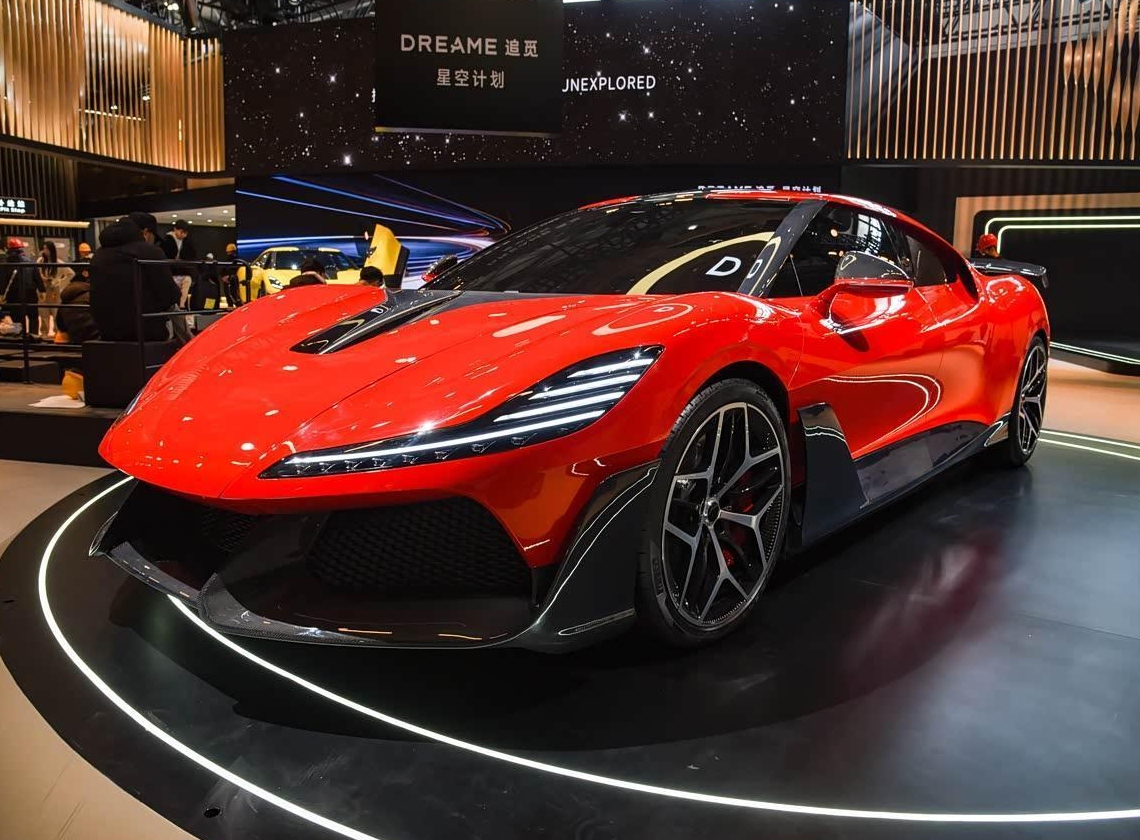
To date, Dreame has only showcased several supercar and SUV concept vehicles. The final production lineup and core technical specifications remain undisclosed, casting doubt on the project’s progress. According to the current roadmap, Australia will serve as a primary market for Dreame’s initial right-hand drive lineup. All vehicles are expected to be pure electric, targeting the mid-to-high-end segment, though the specific product launch cadence remains unconfirmed.
Unlike the asset-heavy model adopted by most automakers, Dreame currently has no plans to build its own vehicle assembly plant. Industry insiders suggest the brand favors an asset-light contract manufacturing approach, mirroring the business models of companies like Apple or Huawei. Under this strategy, Dreame would retain control over design, R&D, and core technologies, while outsourcing vehicle assembly to established overseas manufacturers or contract firms, with companies like Foxconn rumored as potential partners.
While shifting production to bypass tariffs or get closer to overseas markets is standard practice for established players like Toyota or BYD, the situation is different for Dreame. As a newcomer lacking a foundation in automotive manufacturing, combined with an reliance on external contract manufacturing rather than self-owned facilities, the company faces significant risks. These include challenges in maintaining consistent quality control, complex supply chain coordination, and high uncertainty regarding mass production and delivery timelines.
Furthermore, Dreame has yet to announce a specific contract manufacturing partner, the country where production will take place, or detailed plans for its Australian sales and after-sales infrastructure. Given the intense competition in the domestic NEV market and the fact that several Chinese automakers have already established a foothold in Australia, Dreame’s rushed entry and dependence on third-party production leave its 2027 Australian launch target and long-term market viability subject to considerable uncertainty.