The landscape of the automotive industry is undergoing a seismic shift. Once, the combined profits of China’s 18 listed passenger car manufacturers couldn’t match half of Toyota’s net profit. Today, however, the narrative has flipped. Excluding Toyota, the six other major Japanese automakers—Honda, Suzuki, Subaru, Mazda, Mitsubishi, and Nissan—collectively posted a staggering loss of nearly 8 billion RMB (approx. $1.1 billion USD) for the 2026 fiscal year (April 2025 to March 2026).
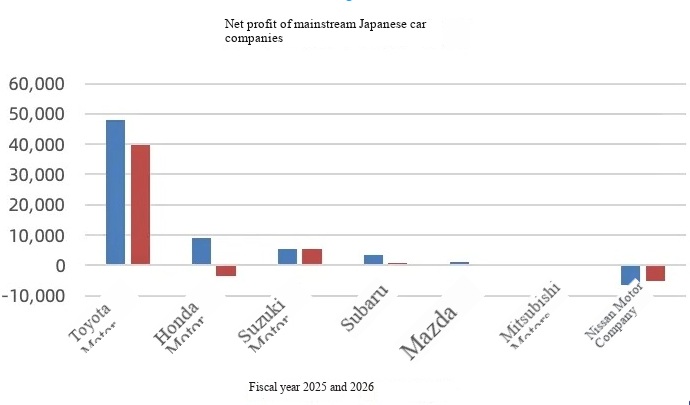
This is not mere speculation. While Toyota remains the sole powerhouse continuing to generate significant profit, the rest of the industry is struggling. Nissan, once a member of the Japanese “Big Three,” has now recorded losses for two consecutive years. This year, its net loss reached approximately 530 billion JPY, the highest among its peers. Although the figure represents a 20% improvement over the previous year’s deficit, it underscores the deep-seated challenges facing the brand.
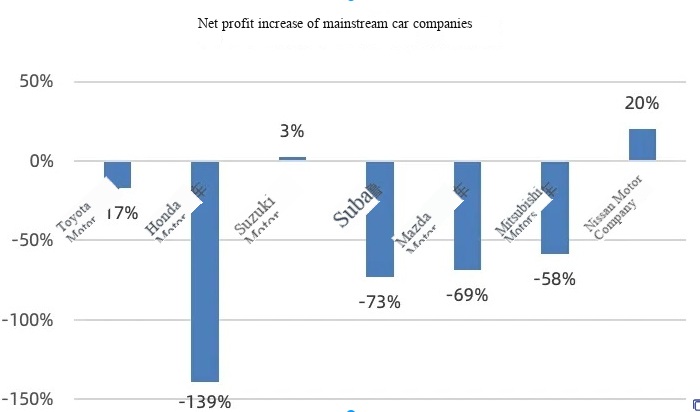
Beyond Suzuki, which managed a modest 3% increase in net profit, the financial performance of other Japanese manufacturers has plummeted. Honda suffered the most severe decline, with profits dropping by 139%; after earning 900 billion JPY last year, the company reported a loss of over 350 billion JPY this year. Subaru, Mazda, and Mitsubishi saw their profits halved, and even industry leader Toyota experienced a 17% decline in net profit.
### The First Rise of Chinese Automakers
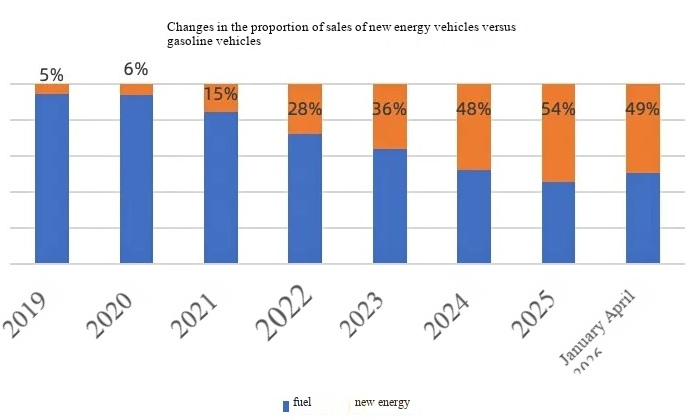
The decline of Japanese vehicles, once dominant globally for their reliability and value, can be traced back to 2021, the turning point for China’s new energy vehicle (NEV) sector. Before 2021, NEV market share hovered around 5%. By 2021, it jumped to 15%, and the growth trajectory became exponential: 28% in 2022, 36% in 2023, 48% in 2024, and an astonishing 54% by 2025, officially surpassing internal combustion engine vehicles.
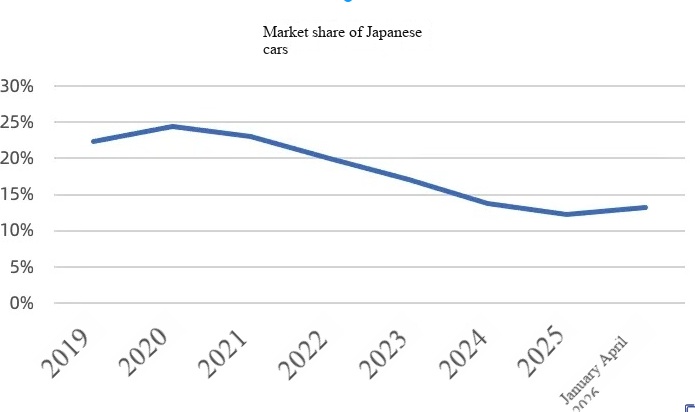
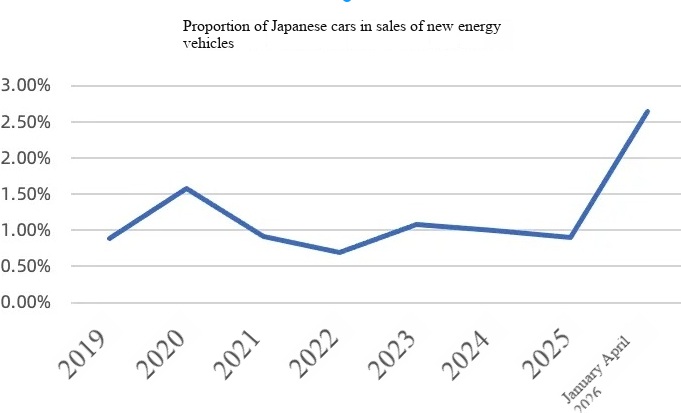
Consequently, the market share of Japanese brands in China has slid from a peak of 24% in 2020 to just 13% in the first four months of this year. Industry analysts point to a rigid corporate structure during the pandemic as a primary culprit. Overseas headquarters maintained tight control, leaving local Chinese subsidiaries without decision-making power. By the time global executives realized the shift in 2023, the NEV trend was already unstoppable. Japanese automakers, once pioneers of the internal combustion era, were relegated to followers, and their NEV market share has remained stagnant at around 1%.
### The Second Opportunity for Chinese Brands
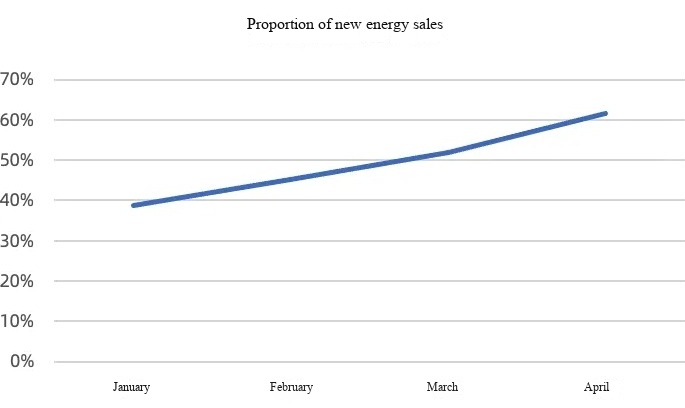
The recent surge in global oil prices has further solidified the dominance of Chinese NEVs, helping them break into international markets. As fuel costs rise, consumer demand for electric vehicles has intensified. By April of this year, NEVs accounted for 62% of total sales in China.
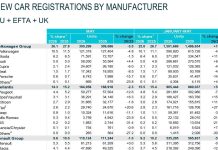
European consumers are also showing a strong preference for Chinese brands. In April, sales of Chinese brands in Europe surged by 114% year-on-year. BYD saw a 125% increase, Chery grew by 344%, and Leapmotor skyrocketed by 423%. Conversely, traditional automakers are faltering; Mitsubishi’s sales dropped by 51%, and even Toyota saw a 1% decline. As Chinese automakers accelerate their global expansion, the pressure on Japanese manufacturers continues to mount, suggesting that the current financial downturn may only be the beginning. Having lost ground in shipbuilding, home appliances, and smartphones, Japan now faces the prospect of losing its grip on the automotive industry as well.