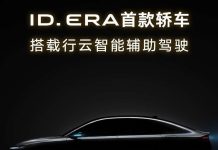
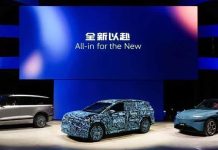
On April 21, Volkswagen Anhui officially debuted the ID.UNYX 09. Currently in near-production form, this model represents the second vehicle co-developed through the strategic partnership between Volkswagen and XPeng. This 5-meter (approx. 197 inches) mid-size electric sedan integrates cutting-edge smart technology, including an enhanced L2+ advanced driving assistance system, a high-performance computing platform, and an intuitive AI-powered smart assistant. The vehicle is scheduled to hit the market in the second half of this year.

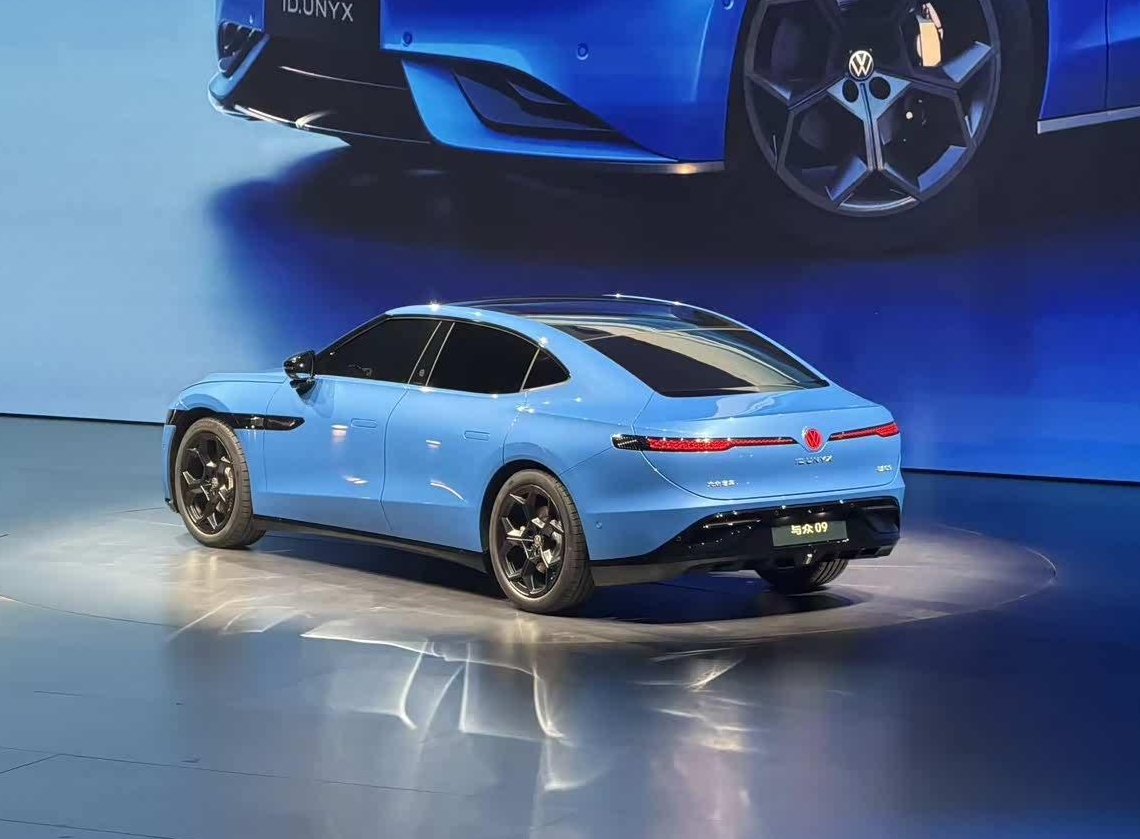
In terms of exterior design, the ID.UNYX 09 continues the design language of the ID.UNYX family while innovatively incorporating the Chinese aesthetic philosophy of “balance and harmony.” It features a bold central axis design that converges at the golden Volkswagen emblem on the front, serving as the visual centerpiece of the vehicle. The car utilizes a split-headlight setup, with uniquely styled upper daytime running lights and lower main beam units integrated into black decorative elements that extend toward the front fenders.
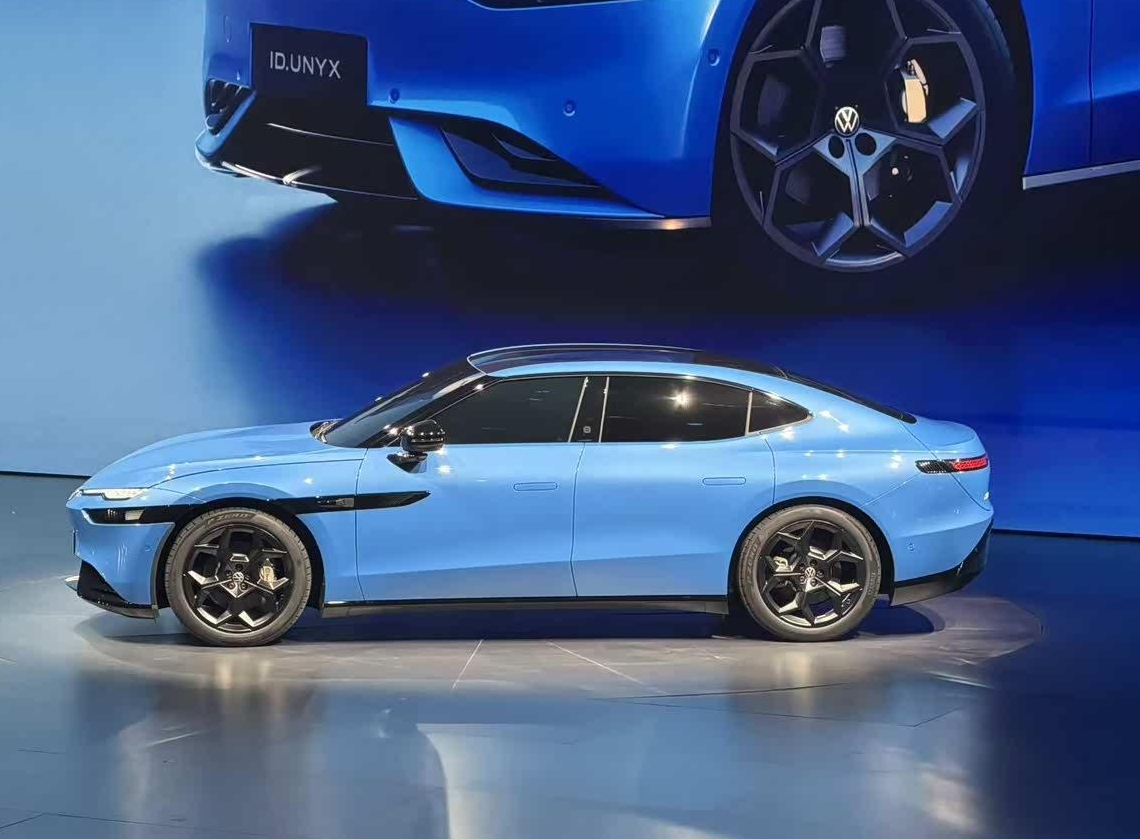
The side profile is characterized by large blacked-out wheels, hidden door handles, and a “floating roof” effect created by the concealed A-pillars. The rear of the vehicle adopts a sleek fastback coupe silhouette. The taillight assembly features a nearly continuous wrap-around design, centered by an illuminated logo that enhances its nocturnal signature.
Volkswagen stated that 2026 marks the beginning of the Group’s largest product offensive in Chinese history, covering pure electric (BEV), plug-in hybrid (PHEV), and range-extended electric vehicles (EREV). By 2027, the Group plans to offer approximately 30 new energy models in the Chinese market, expanding to around 50 models by 2030, including 30 fully electric vehicles.
Regarding intelligence, several models launched by the Volkswagen Group in the second half of this year will be equipped with an enhanced L2+ advanced driving assistance system developed by CARIZON. This system expands navigation-assisted driving from highways to urban roads, aiming to provide a seamless “point-to-point” assisted driving experience. This progress signals that Volkswagen’s locally developed intelligent driving technology is entering the stage of large-scale application.
Starting from the second half of this year, all models built on the CEA (China Electronic Architecture) will feature an in-car AI agent, utilizing a locally trained Large Language Model (LLM) as the natural language interaction interface. Looking further ahead, the next-generation CEA 2.0 architecture is slated for a 2027 debut. It will be built on a more powerful central computing platform to create a unified “cockpit-driving integration” experience, managed by the proactive execution capabilities of an integrated AI assistant.
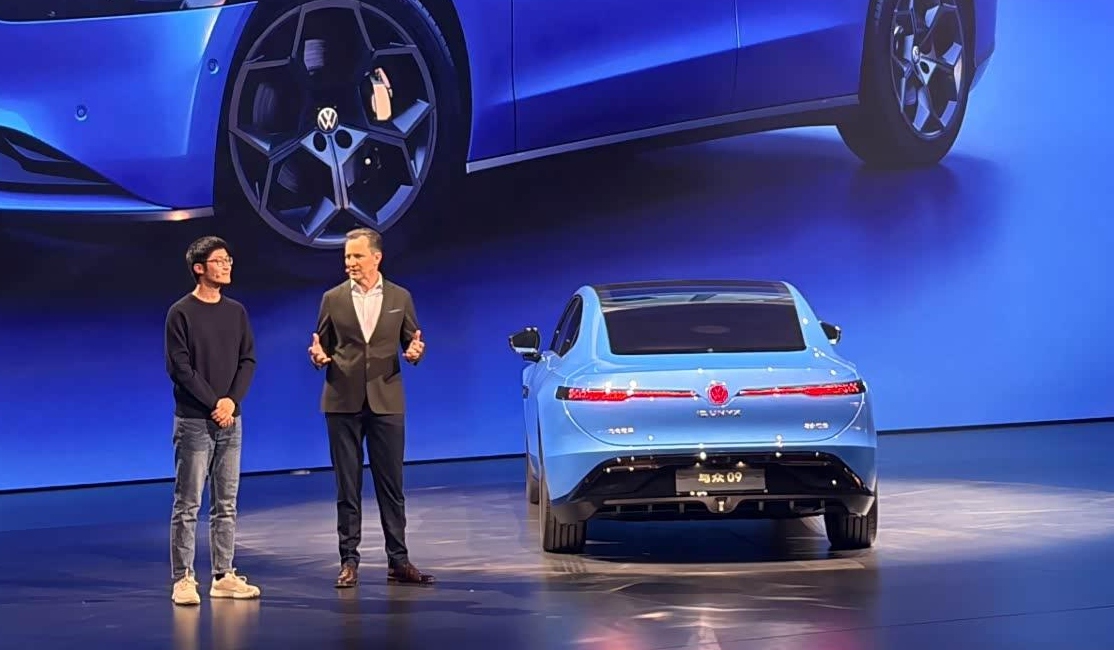
Volkswagen’s recent presentation underscores the Group’s ambition and its commitment to rapid development in the fields of intelligence and electrification. Ralf Brandstätter, Member of the Board of Management of Volkswagen AG for China and CEO of Volkswagen Group China, noted that the first models developed under the “In China, for China” strategy are already reaching the streets. In just 36 months, the company has overhauled its product roadmap to target the era of electrified and intelligent connected vehicles. With advanced electronic architectures, high-level ADAS, and AI integration, the brand aims to meet the core demands of Chinese consumers with over 20 electrified intelligent models launching this year alone.