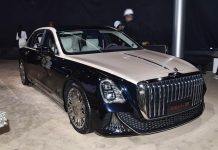
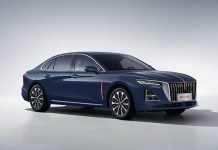
The 2026 Hongqi HQ9 has officially launched, bringing a comprehensive update to the brand’s flagship MPV. The new model lineup consists of three variants, with prices ranging from 338,800 to 538,800 RMB (approximately $46,800 to $74,500 USD). To celebrate the launch, Hongqi is offering several incentives, including a trade-in subsidy of up to 20,000 RMB, a 10,000 RMB subsidy for first-time buyers or additional vehicle purchases, and 3-year interest-free financing. The 2026 model now exclusively features a plug-in hybrid (PHEV) powertrain, with significant upgrades focused on cabin intelligence and second-row comfort.

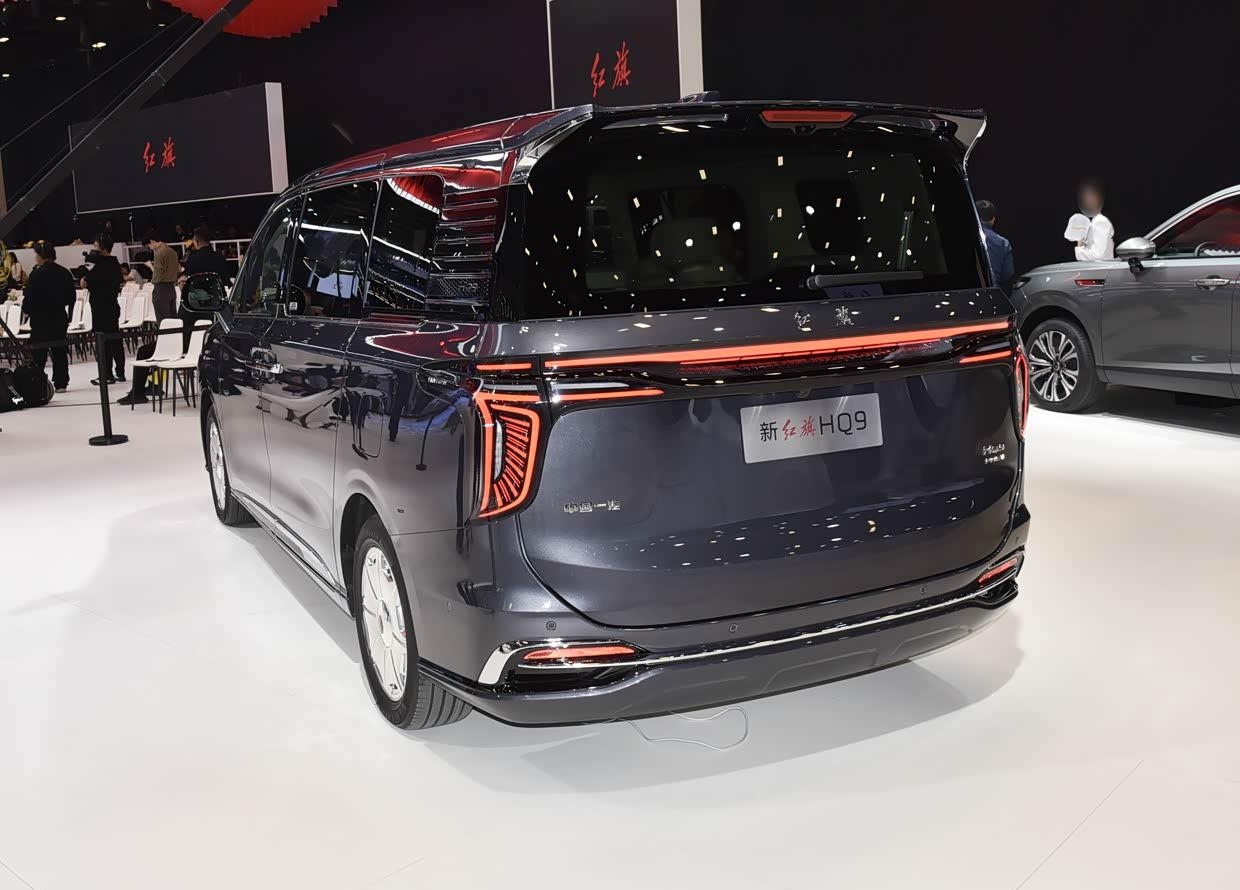
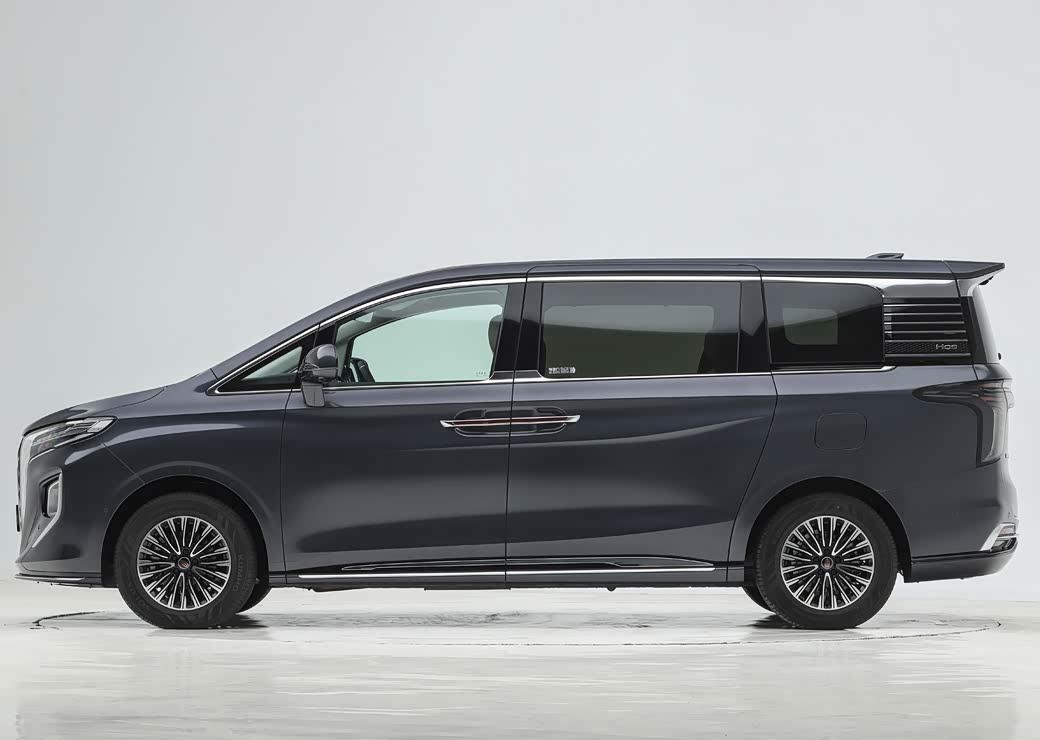
In terms of exterior design, the new HQ9 maintains the familiar silhouette of its predecessor. The front fascia continues to feature the signature large waterfall-style grille, complemented by the iconic vertical Hongqi emblem. The wing-style daytime running lights are seamlessly integrated into the grille, sitting above the split LED headlight clusters. The vehicle measures 5,222mm in length, 2,005mm in width, and 1,935mm in height, with a wheelbase of 3,200mm. A new “Galaxy Grey” paint option has been added, joining the existing “Night Black,” “Gentian Purple,” and “Alpine White” color palette.
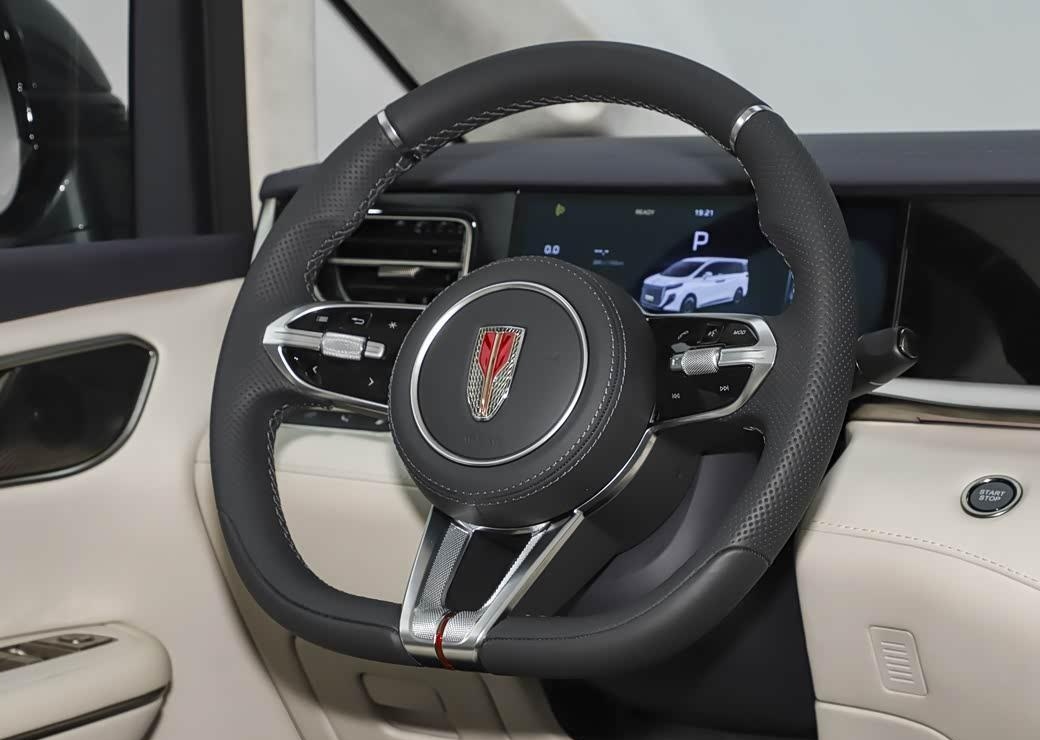
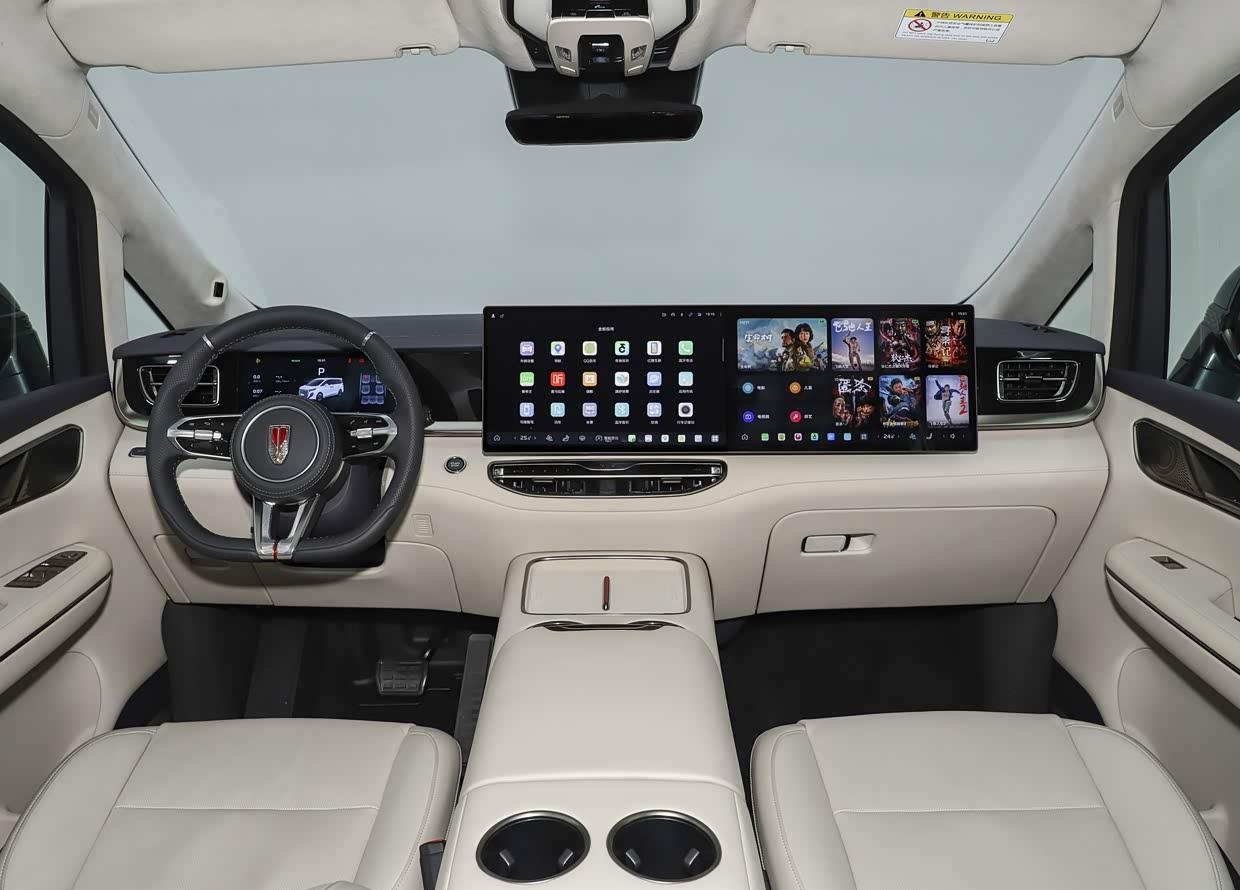
The interior has undergone a major overhaul, now featuring a dual-screen setup consisting of two 15.6-inch 2.5K displays for the center console and front passenger. Powered by the Qualcomm Snapdragon 8295P chip and running on FAW’s proprietary HMI 5.0 system, the interface supports the Doubao large language model and offers seamless connectivity via CarPlay, HiCar, and CarLink. The driver also benefits from a 10.25-inch instrument cluster and a 9.89-inch head-up display (HUD). The cabin now adopts a column-mounted gear shifter, freeing up space for a 50W wireless charging pad. For driver assistance, the HQ9 is equipped with the Hongqi Sinan system, supporting high-speed pilot assist, urban memory pilot, and full-scenario intelligent parking.
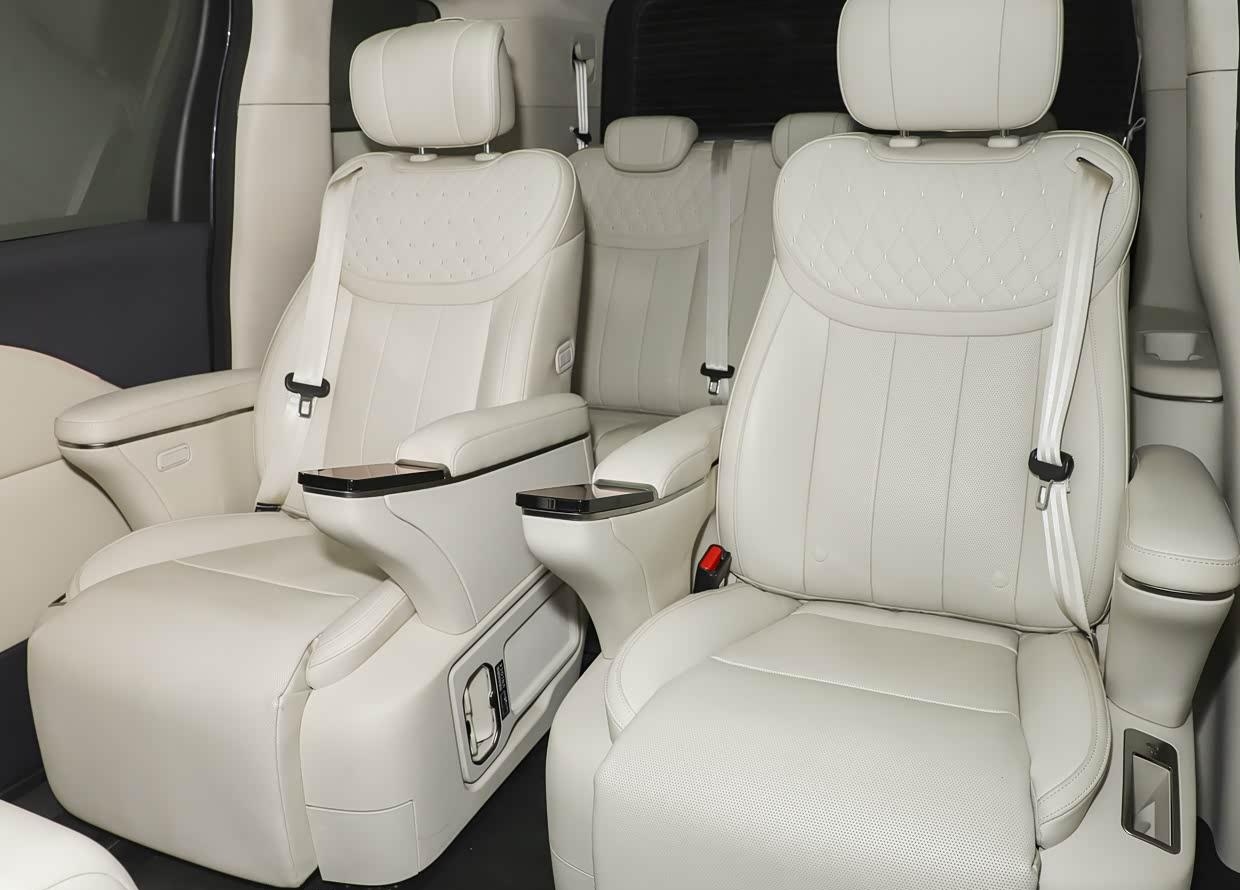
The 2+2+3 seating layout remains, with the first two rows offering heating, ventilation, and massage functions. The second row features dual zero-gravity seats, a 21.4-inch 3K rear entertainment screen with gesture control, a dedicated control panel, a built-in refrigerator, and fold-out tables. Audio is handled by a 16-speaker Dynaudio system. Even with all three rows in use, the trunk provides 668L of storage, which expands to a massive 3,565L with the third row folded.
Under the hood, the HQ9 utilizes a 2.0T PHEV system. The 2.0T engine produces 120kW, paired with dual electric motors (165kW front/70kW rear), resulting in a combined system output of 358kW and 760 N·m of torque. It offers a CLTC pure electric range of 168km and a total combined range of 1,150km. The vehicle also supports fast charging (30%-80% in 16.2 minutes) and is equipped with a CDC intelligent damping suspension system.
**Author’s Commentary:** The Hongqi HQ9 remains the sole MPV offering in the FAW Hongqi lineup. While the 2026 model retains the exterior design of the 2024 version, the core updates lie in the powertrain and equipment. By transitioning from a pure internal combustion engine to a PHEV setup, Hongqi is aligning with the domestic trend toward electrification. Furthermore, the interior and infotainment system have been significantly modernized to meet the high standards of intelligence expected in the current Chinese market. As consumer demand for premium MPVs grows, the 2026 Hongqi HQ9 will compete directly with established rivals like the Voyah Dreamer and Denza D9. By focusing on interior luxury and advanced technology, Hongqi aims to leverage its brand prestige to maintain a strong foothold in this competitive segment.