On May 28, BYD held its Intelligent Strategy Conference, themed “Dare to.” Beyond reaffirming its core commitment to universal driver-assistance systems, the company unveiled significant advancements in its fast-charging strategy. However, the absolute highlights of the event were the introduction of a comprehensive driver-assistance liability policy and the debut of its self-developed Xuanji A3 chipset.

A Bold Commitment to Driver-Assistance Liability
BYD’s new liability policy applies to models equipped with the “Eye of the Gods” A and B systems, covering City Pilot (urban NOA) functionality. This marks another industry-first move for BYD, following its previous safety guarantee for intelligent parking.
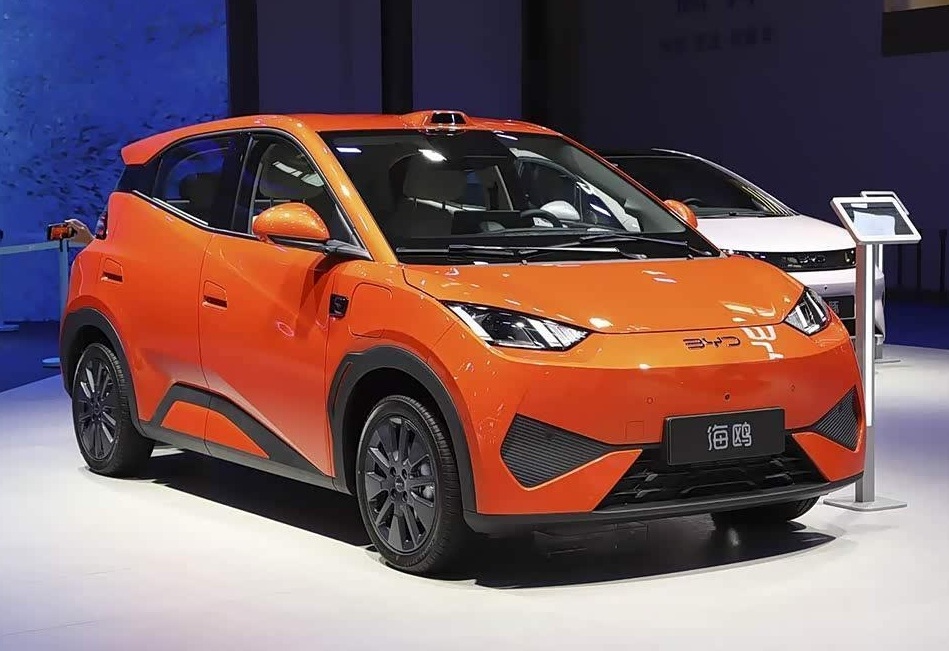
Currently, even BYD’s entry-level Seagull comes equipped with the “Eye of the Gods” driver-assistance system, though it features the C-level system, which is not covered by this policy. Fortunately, customers purchasing new vehicles can opt for the B-level system for an additional 12,000 yuan (approximately $1,650 USD) to qualify for the coverage.
The policy covers both new and existing owners. New buyers of A/B-equipped models receive one year of coverage starting from the delivery date. Existing owners can enjoy one year of coverage after upgrading their software to the “Eye of the Gods” 5.0 version via OTA.
The policy specifies that if a driver is involved in an at-fault traffic accident while using City Pilot—provided the system was used in compliance with guidelines—BYD will cover all economic losses. This includes repair costs for both the owner’s and the other party’s vehicles, third-party property damage, and personal injury claims. Unlike commercial insurance, this policy is free, has no payout cap, and does not affect the owner’s commercial insurance premiums for the following year.
BYD’s confidence stems from its massive fleet of over 3.15 million vehicles equipped with driver-assistance systems, which have collectively logged over 200 million kilometers of daily driving data. This data is critical for optimizing the intelligence and user experience of their systems.
It is important to note that while the system assists with driving, the driver remains responsible for monitoring road conditions. The coverage lasts for one year, and while details on potential renewals remain unannounced, it is highly probable that a paid extension option will be introduced.
High-Performance Self-Developed Chipset
BYD also officially unveiled its self-developed Xuanji A3 chip. Manufactured using a 4nm process, a single chip delivers 700 TOPS of computing power, with a three-chip configuration reaching 2,100 TOPS, sufficient for L3/L4 high-level autonomous driving.
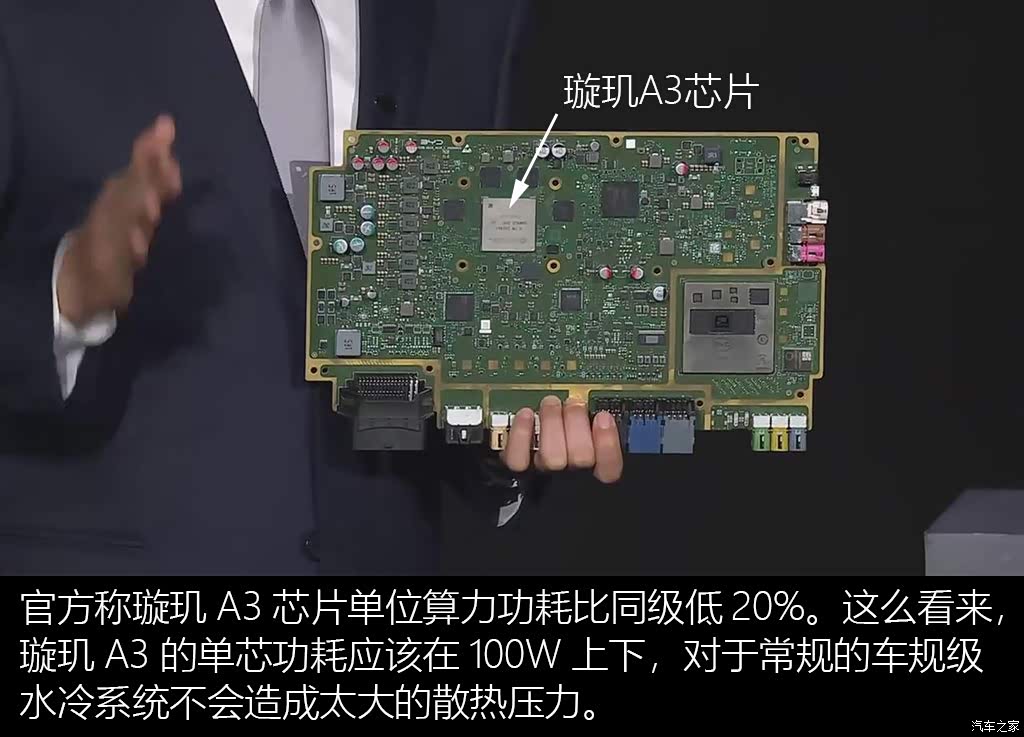
The Xuanji A3 integrates a 16-core CPU and features 273GB/s memory bandwidth, likely utilizing 256-bit LPDDR5x memory. BYD showcased a “three-in-one” domain control circuit board (integrating driver assistance, intelligent cockpit, and motor control) powered by a single A3 chip, which appears very close to production-ready. The chip meets the ASIL-D automotive functional safety standard, ensuring it can withstand rigorous high/low-temperature and vibration testing.
While the A3’s single-chip performance rivals the mainstream NVIDIA Thor-U, it has yet to surpass the proprietary chips developed by some of China’s leading EV startups. Beyond the chip, BYD introduced a new L3/L4 autonomous driving platform and three advanced sensors: a high-line LiDAR with 4K-level precision and a 600-meter detection range, a 1000fps high-speed camera, and dual far-infrared cameras for enhanced visibility in low-light conditions.
Editor’s Take
The launch of the driver-assistance liability policy and the Xuanji A3 chip demonstrates BYD’s growing technical confidence. While BYD was a latecomer to the driver-assistance race compared to newer EV brands, years of dedicated effort are now yielding results. Once the Xuanji A3 enters mass production, the criticism regarding BYD’s system computing power should subside. The real challenge now lies in whether BYD can effectively leverage this high-performance hardware to elevate the user experience and functional innovation to a new level.