


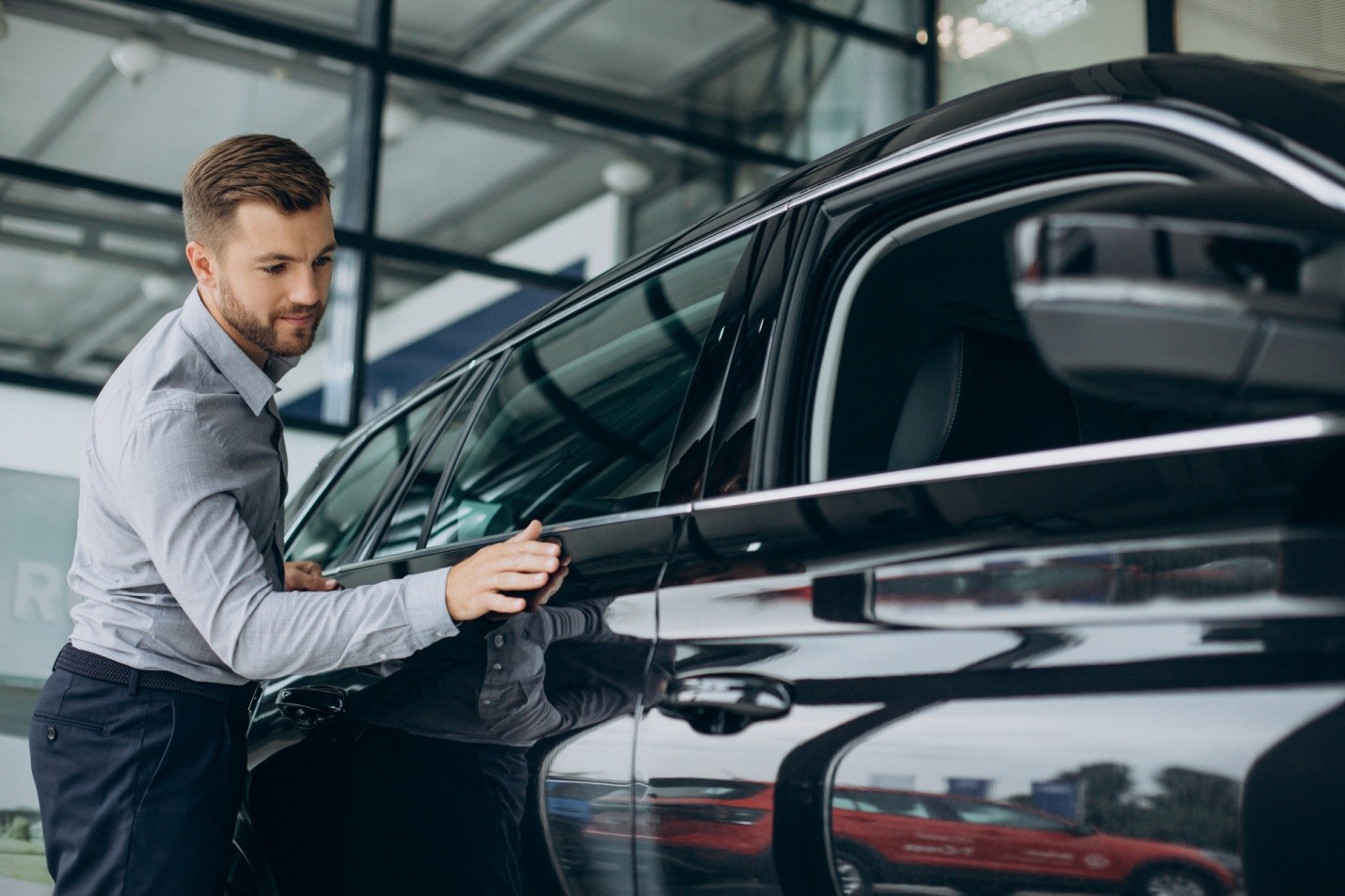
Yes, window tint significantly reduces car heat, cutting interior surface temperatures by up to 30°F to 45°F and blocking up to 98% of heat-carrying infrared radiation. In Orange County, where sunny commutes on the 405 and baking inland heat in Anaheim or Irvine turn car cabins into greenhouses, high-performance ceramic or carbon window films provide immediate, noticeable relief.
Standard factory-dyed glass only darkens the window, but aftermarket solar-control films actively reject Total Solar Energy (TSER), lowering air-conditioning strain and preserving your vehicle’s upholstery. If you want lasting relief from blistering coastal heat, investing in professional window tint in Orange County ensures your cabin stays remarkably cool while shielding passengers from harsh UV rays.
The Science of Solar Heat: How Window Film Actually Works
Automotive heat buildup comes from three distinct spectrums of sunlight:
- Visible Light (VL): Makes up roughly 44% of solar energy. Tint darkness (measured by Visible Light Transmission, or VLT) handles this portion.
- Infrared Radiation (IR): Accounts for approximately 53% of solar heat. You cannot see it, but you instantly feel it burning your skin through untreated glass.
- Ultraviolet Rays (UV): Represents roughly 3% of the spectrum. It contributes minimally to ambient cabin heat but causes interior cracking, dashboard fading, and skin damage.
Standard factory glass only filters a modest portion of UV and visible light. High-end automotive window films feature specialized nano-ceramic particles or microscopic carbon deposits that reflect or absorb infrared heat before it penetrates the glass, keeping the cabin cooler without requiring pitch-black visibility.
Window Tint Types Compared: Which Film Cools Best?
Not all window films perform equally under the Southern California sun. Here is how the primary automotive tint types compare across key heat-rejection metrics:
| Tint Type | Total Solar Energy Rejection (TSER) | Infrared Heat Rejection (IR) | UV Rejection | Signal Interference | Durability | Typical Cost (Full Sedan) |
| Dyed Film | 20% – 35% | 10% – 25% | Up to 99% | None | 1–3 Years (Fades/Purples) | $150 – $250 |
| Metallic / Metallized | 40% – 55% | 40% – 60% | Up to 99% | High (GPS, Keyless, 5G) | 4–6 Years | $250 – $400 |
| Carbon Film | 45% – 60% | 50% – 70% | Up to 99% | None | 7–10 Years (Matte finish) | $350 – $550 |
| Nano-Ceramic Film | 55% – 70%+ | 80% – 98% | 99%+ | None | Lifetime | $500 – $900+ |
In-Depth Analysis: Evaluating Your Tint Options
1. Nano-Ceramic Tint (The Gold Standard for SoCal)
Ceramic films use non-metallic, non-conductive ceramic particles embedded within the polyester sheets.
- Pros: Maximum infrared rejection; optical clarity at night; zero interference with toll transponders (like The Toll Roads 73/133/241 transponders), cellular signals, or radio; available in clear shades (70%–80% VLT) that still reject extreme heat.
- Cons: Higher upfront cost.
- Best For: Commuters, electric vehicle owners seeking extended battery efficiency, and daily drivers parked outdoors in Irvine, Santa Ana, or Mission Viejo.
2. Carbon Window Tint (The Middle-Ground Performer)
Carbon film uses real carbon particles to create a dark, matte finish that never fades to purple over time.
- Pros: Great heat blocking without signal disruption; sleek aesthetic; resistant to fading and bubbling.
- Cons: Rejects roughly 20% to 30% less infrared heat than top-tier ceramic lines.
- Best For: Drivers wanting a genuine balance between heat relief, aesthetics, and a moderate budget.
3. Metallic Window Tint
Infused with microscopic metal particles that bounce light and heat away from the cabin.
- Pros: High structural strength, good glare reduction, and solid solar reflection.
- Cons: Blocks cell reception, tire pressure monitoring sensors (TPMS), and toll road transponders; gives glass a mirrored look that some drivers dislike.
- Best For: Budget-conscious drivers on older vehicles without navigation or wireless connectivity.
4. Dyed Window Film
A basic polyester film dyed to darken the windows.
- Pros: Lowest price point; basic glare reduction.
- Cons: Absorbs heat rather than rejecting it; quickly breaks down under intense Southern California UV rays, turning purple and bubbling within a few seasons.
- Best For: Quick cosmetic improvements on temporary or lease-return vehicles.
California Window Tint Laws: Staying Legal in Orange County
Before booking an installation in Costa Mesa or Huntington Beach, ensure your chosen film complies with California Vehicle Code (CVC) 26708:
- Windshield: Non-reflective tint allowed only on the top 4 inches (AS-1 line), unless using an approved clear medical-exemption film.
- Front Side Windows: Must allow at least 70% VLT (Visible Light Transmission) of light through the glass and film combined.
- Rear Side Windows: Any darkness level allowed (if the vehicle has dual exterior side mirrors).
- Rear Window: Any darkness level allowed (with dual side mirrors).
Pro Tip: Ceramic film lets you stay 100% legal on front side windows with a virtually clear 70% or 80% VLT shade while still blocking over 85% of infrared heat.
Common Mistakes Drivers Make When Buying Tint
- Assuming Darker Equals Cooler: A 5% “limo” dyed tint will still leave your car roasting because it fails to block infrared radiation. A virtually transparent 70% ceramic film runs circles around cheap, dark tint in heat rejection.
- Ignoring the Windshield: Up to 40% of cabin heat enters through the expansive, angled front windshield. Installing a 70% or 80% ceramic windshield film cuts heat radically without reducing nighttime visibility.
- Selecting Installers Based Solely on Price: Low bids often indicate poor-quality glue, dusty open-air installations, or budget dyed film marketed dishonestly as “carbon.” Always choose an installer with a dedicated clean-room booth and manufacturer-backed lifetime warranties.
Frequently Asked Questions
Does window tint protect vehicle electronics and interiors?
Yes. Quality film blocks 99% of damaging UV radiation. This keeps leather seats supple, prevents synthetic vinyl dashes from cracking under direct sun, and shields touchscreens from heat-induced delamination.
Will ceramic tint help improve EV range?
Yes. In an electric vehicle like a Tesla, reducing the cabin heat load means the climate control compressor draws significantly less battery power, helping preserve your driving range during hot midday commutes.
How long does high-end window tint last in Southern California?
Premium ceramic and carbon films typically come with manufacturer-backed lifetime warranties against bubbling, peeling, delaminating, and color-change. Cheap dyed tints usually fail within 18 to 36 months under regular coastal and inland sun exposure.
Can I clean tinted windows with regular glass cleaner?
No. Avoid any cleaner containing ammonia (such as traditional blue Windex). Ammonia breaks down the polyester layers and dissolves mounting adhesives. Use ammonia-free automotive glass cleaners and clean microfiber towels.
How long after installation should I wait before rolling down my windows?
Wait a full 3 to 5 days. Window film requires curing time for the remaining moisture between the glass and film to evaporate completely. Rolling windows down prematurely risks peeling the edges.
Final Verdict: Is It Worth Tinting in Orange County?
If your daily routine involves parking on blacktop lots or navigating gridlock along the I-5 or Pacific Coast Highway, high-grade nano-ceramic tint is well worth the investment. While dyed films offer only cosmetic darkening, ceramic films fundamentally transform your vehicle’s thermal comfort, slash cabin temperatures, and preserve your car’s interior value for years to come. Beyond its functional benefits, window tinting also ranks among the most practical and interesting ways to customize your car, blending sleek styling with genuine everyday utility.