


On April 21, 2026, CATL hosted its “Super Tech Day,” unveiling a suite of next-generation power battery products. Moving past the marketing buzzwords, the core innovations that will directly impact the daily driving experience are the third-generation Shenxing Superfast Charging Battery, the third-generation Qilin Battery, and the second-generation Xiaoyao Super Hybrid Battery. These technologies aim to solve the most persistent pain points for EV owners: slow charging, inaccurate range estimates, excessive vehicle weight, and the “sluggish” performance of hybrids when the battery is low.

### Shenxing Battery: A Full Charge in 6 Minutes
For most consumers, the primary deterrents to EV adoption are long charging times, poor performance in winter, and concerns over battery degradation from frequent fast charging. The Shenxing battery is designed to make ultra-fast charging a standard daily reality.
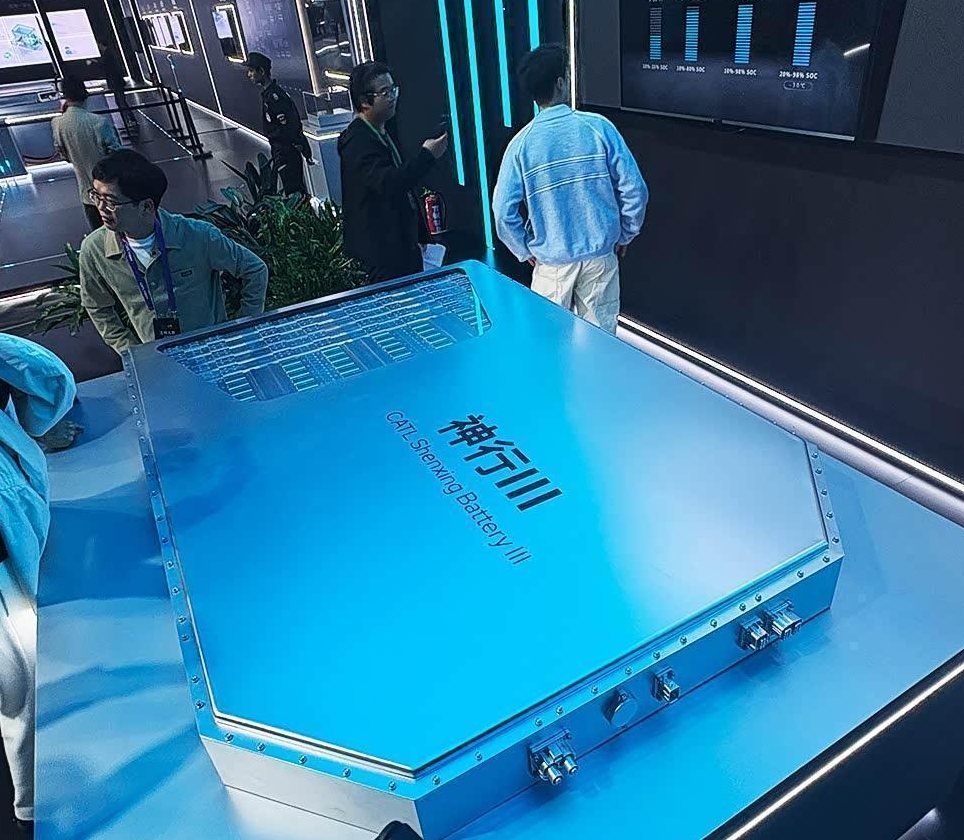

The performance metrics are staggering. In standard temperatures, the third-generation Shenxing battery can charge from 10% to 80% in just 3 minutes and 44 seconds. A near-full charge (10% to 98%) takes only 6 minutes and 27 seconds, effectively mimicking the time it takes to refuel a traditional internal combustion engine vehicle. For users in colder climates, the battery can charge from 20% to 98% in approximately 9 minutes at -30°C (-22°F), thanks to advanced self-heating technology.


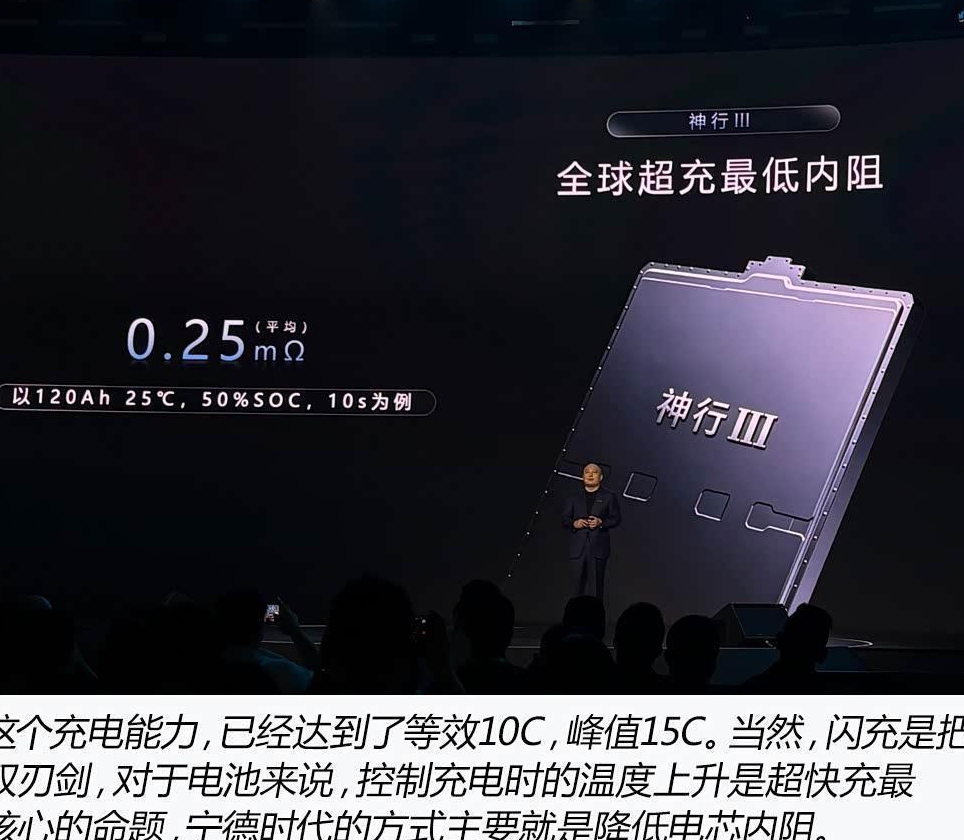
By optimizing cell length and utilizing SEI (Solid Electrolyte Interphase) gene-directed editing and layered graphite technology, the internal resistance has been reduced to an average of 0.25 milliohms. This allows the battery to maintain over 90% capacity even after 1,000 cycles, ensuring longevity alongside speed.
### Qilin Battery: High Performance Without the Weight
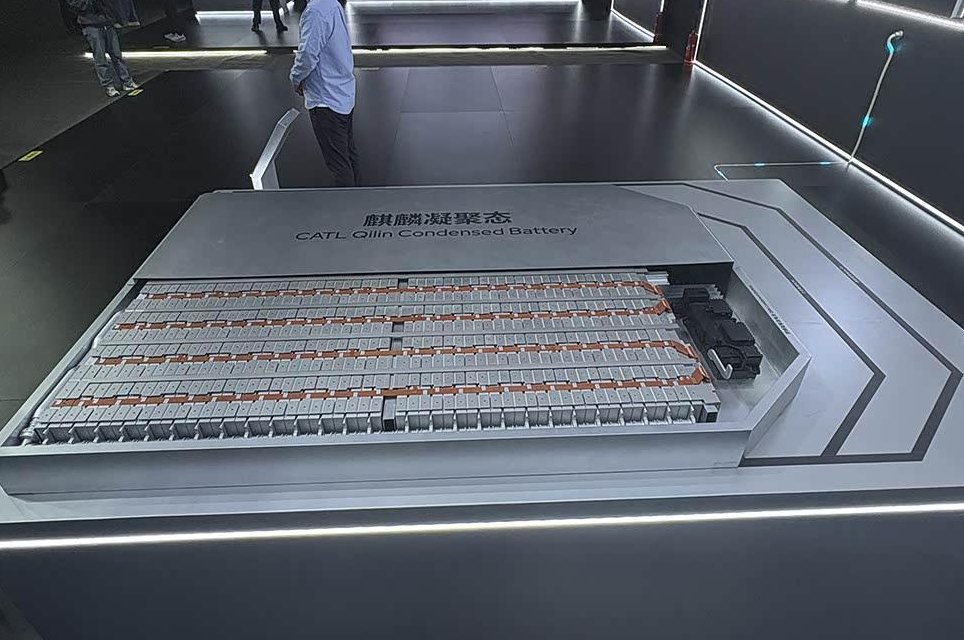
A common criticism of long-range EVs is that they achieve their mileage simply by “stacking” more batteries, leading to vehicles that weigh nearly 3 tons, which negatively impacts handling, braking, and efficiency. CATL’s third-generation Qilin battery challenges this approach by focusing on energy density rather than sheer volume.
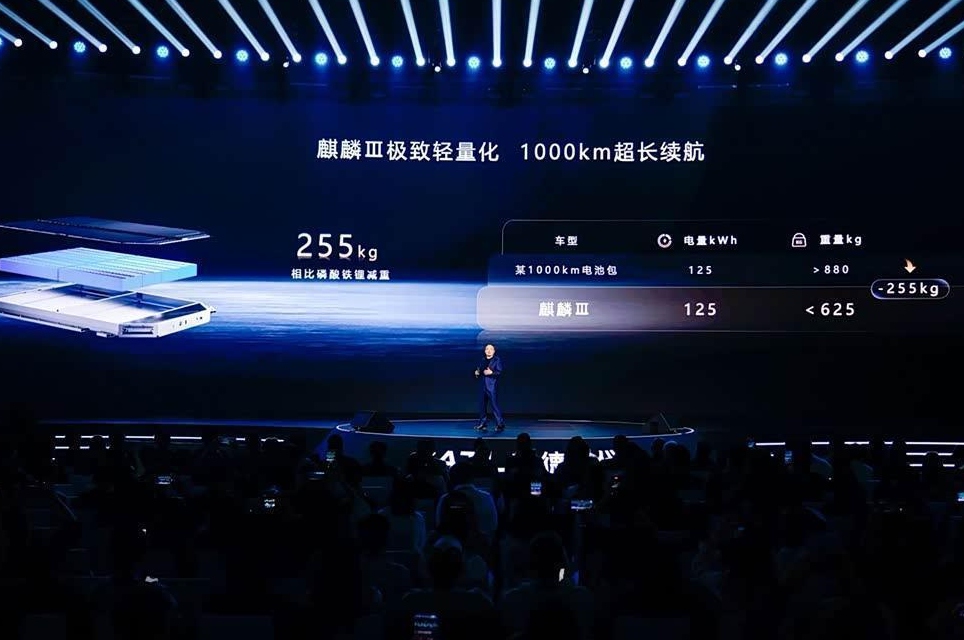
Compared to a standard 125kWh Lithium Iron Phosphate (LFP) pack which weighs over 880kg (1,940 lbs), a Qilin battery pack of the same capacity weighs only about 625kg (1,378 lbs). This 255kg (562 lbs) weight reduction, combined with a 112-liter space saving, translates to lower energy consumption, shorter braking distances, and better handling. Furthermore, the Qilin battery utilizes advanced thermoelectric separation technology, allowing high-temperature gases to be vented directionally in the event of thermal runaway, significantly reducing the risk of fire compared to traditional isolation methods.
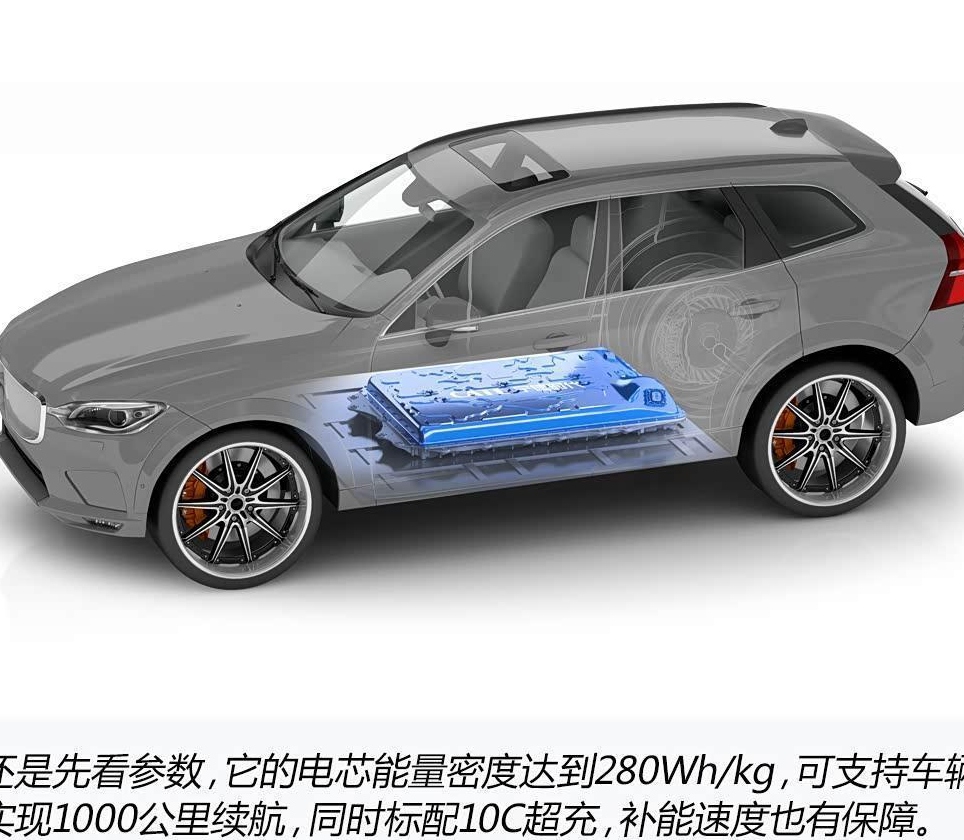
### Xiaoyao Battery: 600km Pure Electric Range for Hybrids
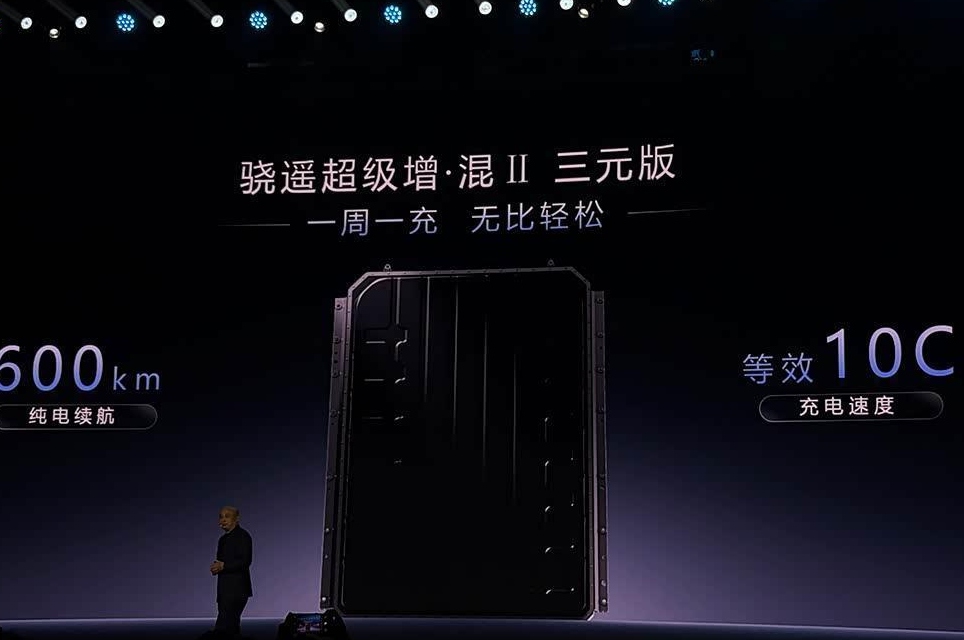
The second-generation Xiaoyao Super Hybrid Battery marks a massive leap for Extended Range Electric Vehicles (EREVs) and Plug-in Hybrids (PHEVs). While 300km (186 miles) of pure electric range was the benchmark last year, CATL has now pushed that to 600km (373 miles).
The Xiaoyao series offers three configurations: an LFP version with 500km (310 miles) of range, a “Super Hybrid” version (mixing ternary lithium and LFP) that boosts range by 15% at the same weight, and a high-end ternary lithium version with a pure electric range exceeding 600km. When combined with a full tank of gas, total range can exceed 2,000km (1,242 miles). Crucially, the battery maintains high power output even at low states of charge (SOC). Even below 20% battery, the vehicle remains capable of demanding tasks like off-roading, eliminating the “sluggish” feel typical of hybrids when the battery is depleted.
### Future Horizons: Condensed Matter and Sodium-Ion Tech
CATL also touched upon its “Condensed Matter” battery, which adapts aviation-grade technology for automotive use. With an energy density of 350Wh/kg and a jelly-like electrolyte that is non-flammable even when exposed to open flames, this battery is destined for flagship luxury sedans and large SUVs.
Additionally, CATL confirmed that its Sodium-ion batteries will enter large-scale mass production this year, with a formal debut expected at the 2026 Beijing Auto Show.
Finally, CATL announced ambitious plans for its “Choco-SEB” battery swapping network. By the end of 2026, the company aims to have 4,000 swapping stations across 190 cities in China. Partnering with automakers like Changan, Chery, GAC, Seres, and BAIC, CATL plans to expand this shared infrastructure to over 100,000 stations by 2028.

From the ultra-fast charging Shenxing to the lightweight Qilin and the long-range Xiaoyao, CATL is systematically dismantling the barriers to EV adoption. As these batteries begin mass production, the industry can expect a significant shift in how consumers perceive electric vehicle reliability and convenience.